BY JULIET EKWENUGO
Kaduna
A group under the aegis of 1st Citizens Engagement Conference has said that the ongoing oil and gas reforms introduced by President Bola Ahmed Tinubu’s administration may be painful in the short term, but they are necessary for Nigeria’s long-term economic recovery and national stability.
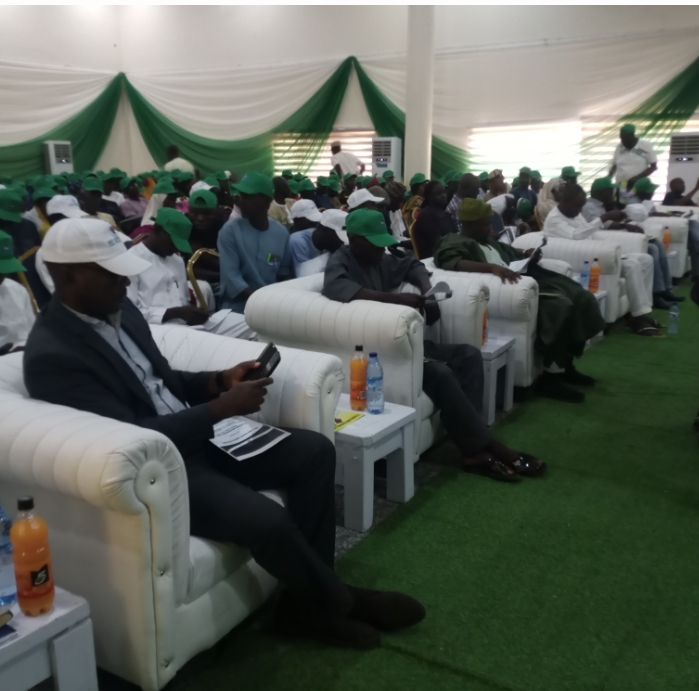
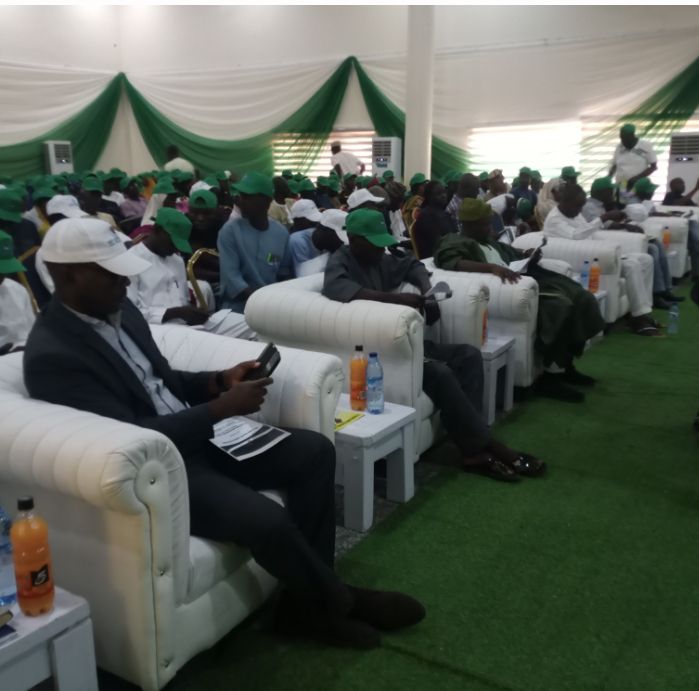
Speaking at the opening ceremony of the Northwest edition held on Monday in Kaduna, the Co-convener of the group, Mallam Nasir Abdulquadri said the removal of fuel subsidy and deregulation of the downstream sector had ushered in a difficult period for many Nigerians but would ultimately reposition the country on the path of growth and self-reliance.
“Every meaningful reform carries the pain of transition. What we are experiencing today is the cost of rebuilding a foundation that was long overdue for change. The decisions taken by President Tinubu may be tough, but they are steering our economy toward long-term sustainability.”
He described the Citizens Engagement Conference as a civic innovation designed to bridge the gap between leadership and the people and to encourage shared responsibility in governance.
Abdulquadri said the Petroleum Industry Act (PIA) 2021 had already provided a strong legal and institutional framework for reform, through the establishment of the Nigerian Upstream Petroleum Regulatory Commission (NUPRC) and the Nigerian Midstream and Downstream Petroleum Regulatory Authority (NMDPRA).
“For the first time, there is clarity between regulation and operation. This has created space for new investment, refinery rehabilitation, and modular refining across regions”.
He added that the administration’s emphasis on gas development was also transforming Nigeria’s vast reserves into a driver for industrial growth, while host communities were now benefiting from structured development through the Host Community Development Trusts (HCDTs).
While acknowledging the hardships faced by citizens, Abdulquadri said the true success of the reforms depended on public understanding and national unity.
He cautioned against foreign interests seeking to exploit Nigeria’s internal challenges, urging the people to safeguard the country’s sovereignty by standing united in purpose.
“True partnership is welcome; manipulation is not. Our sovereignty lies in our unity and our capacity to rebuild from within,” he said.
The co-convener further charged Nigerians to continue to demand accountability and transparency from leaders but to do so with a sense of national responsibility.
“A nation can correct itself without collapsing itself. Responsible citizenship means demanding good governance while protecting the sanctity of our national purpose.”
He urged Nigerians to take an active role in understanding government policies and holding leaders accountable, saying ignorance among citizens often creates room for misinformation and manipulation.
Abdulquadri highlighted the Petroleum Industry Act (PIA) of 2021 as a major milestone in the country’s oil sector, noting that investments like the Dangote Refinery are moving Nigeria closer to energy independence.
“When citizens engage constructively, government becomes responsive; when dialogue replaces hostility, democracy grows stronger”.
He further urged Nigerians to embrace the current reforms as part of the process of rebuilding a stronger and self-reliant country.
“These reforms are not merely about fuel or finance. They represent faith in Nigeria’s capacity to evolve, reform, and rise above the limits of the past. Together, we must endure the pain to achieve the progress we all desire.”
In his paper presentation titled ‘Amplifying President Bola Tinubu Hope Agenda Through Excellence in Regulatory Frameworks And Upstream Oil Gas Performance As Catalyst for Sustainable Economic Prosperity Beyond 2027’, Prof. Usman Muhammed from department of political science and international studies, Kaduna State University observed that the Petroleum Industry Act (PIA) 2021 marked a historic reform in the nation’s energy sector.
According to him, Renewed Hope Agenda offers Nigeria a rare opportunity to revolutionize its oil and gas industry through regulatory efficiency, transparency, and accountability.
He called on Nigeria to emulate countries like Norway and Saudi Arabia that have successfully diversified their economies through prudent oil management.