BY JULIET EKWENUGO
Kaduna
Stakeholders have called on the Kaduna State Government to fast-track efforts toward harnessing the state’s demographic dividend to drive inclusive and sustainable development.
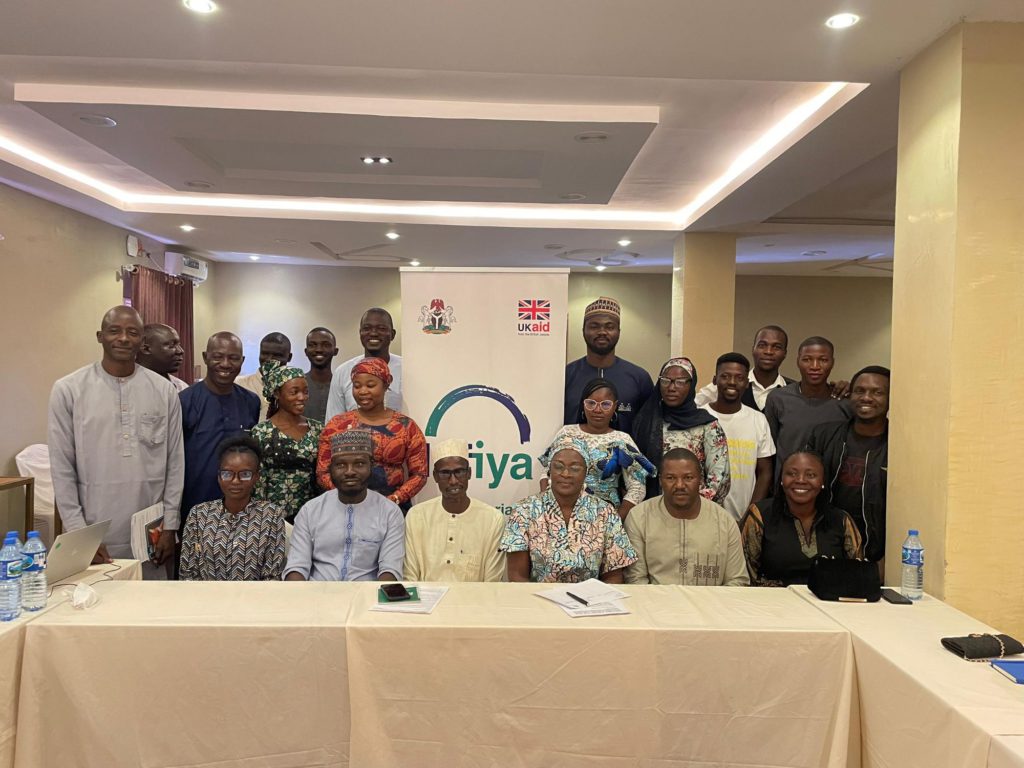
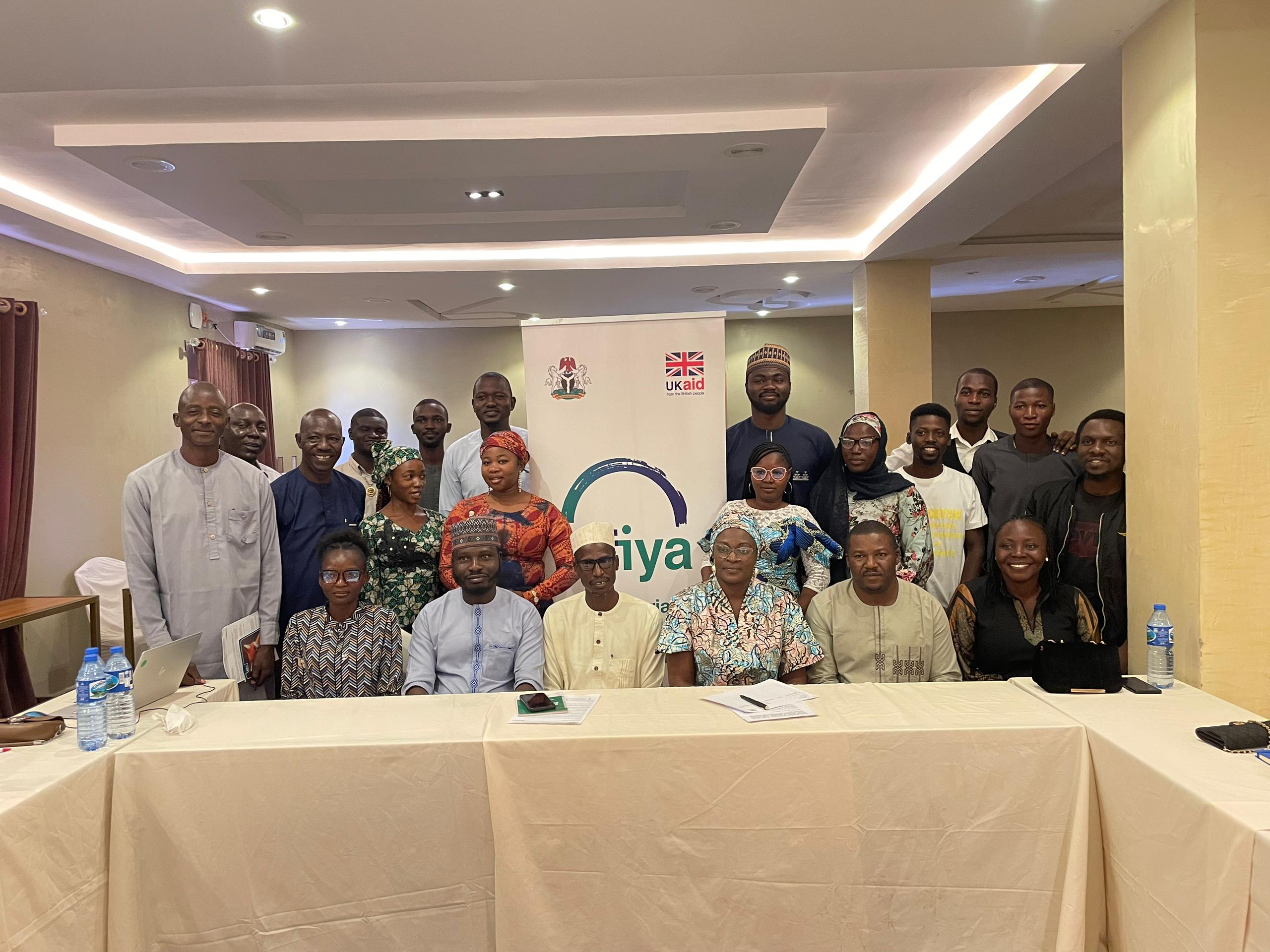
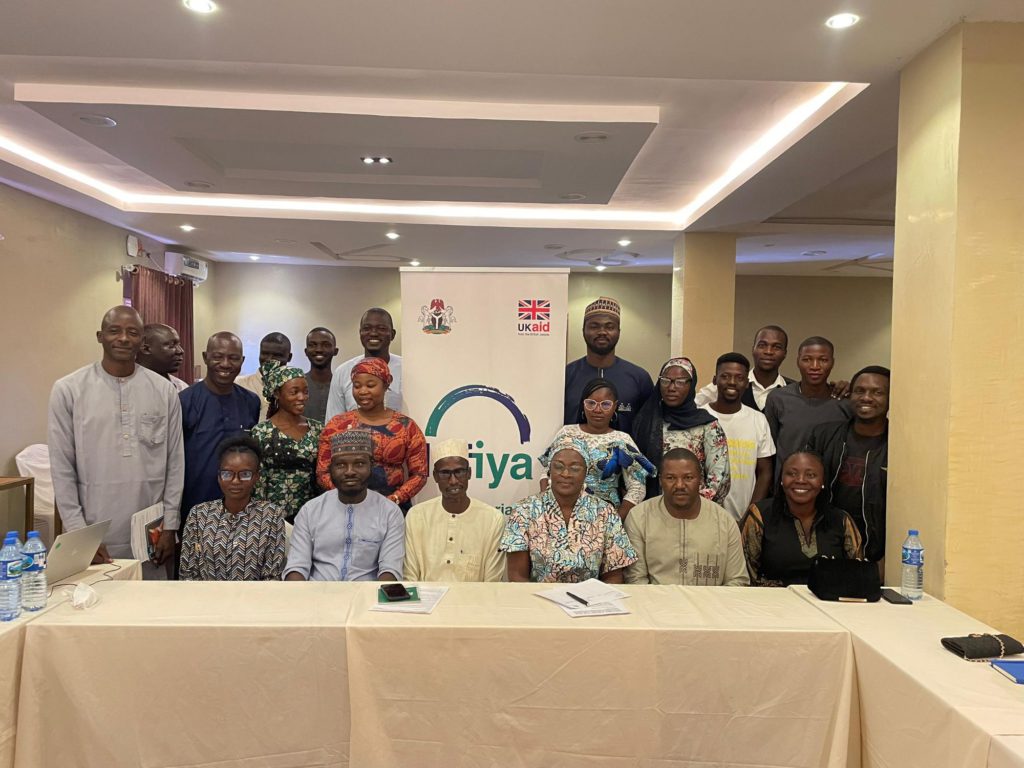
The call was made during a two-day technical session convened to develop advocacy strategies and tools for the implementation of the Kaduna State Demographic Dividend Roadmap.
The participants noted that with Kaduna’s youthful population, the state has a unique opportunity to convert its human resource potential into economic growth and long-term prosperity—if the right investments are made in education, health, economic empowerment, and governance.
Presenting a paper titled ‘Understanding Kaduna State Demographic Dividends Roadmap, 2024’, Executive Director of the Civic Impact for Sustainable Development Foundation, Yusuf Isyaku Goje, underscored the need to prioritise human capital development as a catalyst for productivity.
Goje, quoting the Commissioner for Planning and Budget Commission, Hon. Ahmed Mukhtar, stressed the need for synergy among key actors.
“As we transition from planning to implementation, I call upon all stakeholders, government institutions, private sector actors, civil society organizations, development partners, and the citizens of Kaduna State to work together to bring the vision outlined in this roadmap to fruition”.
He further drew attention to the demographic realities of the state, describing them as both a challenge and an opportunity.
According to him, about 49 per cent of women of reproductive age in Kaduna have no formal education; of this percentage, 76.3 per cent are married while 72.3 per cent have already given birth.
Health insurance coverage, he said, remains extremely low at 2.0 per cent, posing serious implications for maternal and child health.
Goje explained that the roadmap is built on five thematic pillars; governance, economic empowerment, education, health and well-being, and security and justice.
“Each pillar contains strategic actions, including the enactment of a state youth policy, entrepreneurship development, expanded access to education and healthcare, and the strengthening of the justice system”.
In his remarks, Special Adviser on NGOs to the Deputy Governor, Hon. Mukhtar Zubairu, said the technical session was designed to deepen stakeholders’ understanding of the roadmap and develop unified advocacy tools for its full implementation.
According to him, the meeting aimed to produce a consolidated advocacy document, create materials to drive engagement, and establish a mechanism for monitoring progress and tracking implementation.
He assured participants that the state government would align with and adopt the outcomes of the workshop.
Also speaking, Monitoring, Evaluation, and Learning Coordinator of the FCDO-supported Lafiya Project, Mr. Chanan Solomon, expressed delight in partnering with the Youth Advocacy Coalition on the demographic dividend initiative.
He commended the technical support provided by the Civic Impact for Sustainable Development Foundation and pledged continued support toward advancing youth-focused development in Kaduna State.
Earlier, a Planning Officer at the Kaduna Bureau of Statistics, Ahmed Aminu, presented an overview of the state’s demographic landscape, highlighting key challenges and opportunities for development planning.
The Kaduna State Government says it remains committed to the implementation of the Demographic Dividend Roadmap and will work with stakeholders to ensure that the state maximises its population advantages for sustainable growth.