BY JULIET EKWENUGO
Kaduna
Kaduna State’s growing youth population has been identified as a critical factor that will determine the state’s long-term economic trajectory, as stakeholders warned that failure to make strategic investments in young people could undermine development and deepen socio-economic challenges.
They noted that the state stands at a defining moment where its demographic structure could either translate into prosperity or become a heavy burden.
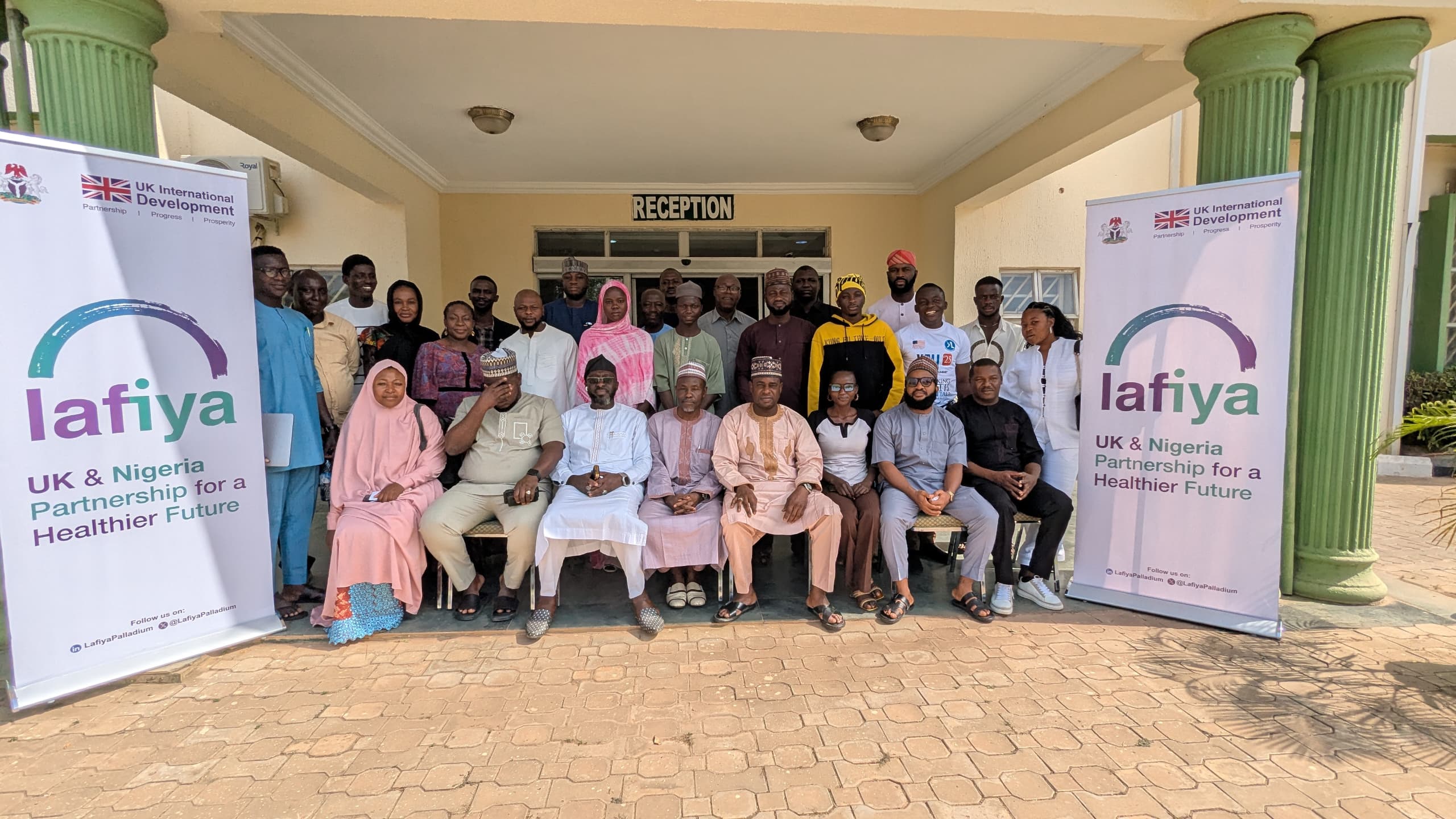
The stakeholders spoke during a two-day Media Advocacy Dialogue titled ‘Amplifying the Implementation of Kaduna Demographic Dividend Roadmap (DDR)’, organised by the Youth Advocacy Group with support from the FCDO-Lafiya Project in Zaria.
Participants stressed that the demographic dividend, the economic benefit derived when a larger working-age population supports fewer dependants that can only be achieved through deliberate investments in health, education, employment, skills development and governance.
They described Kaduna’s youthful population, with over half of residents below the age of 25, as a strategic asset that must be properly harnessed through coordinated policies that prioritise human capital development.
According to them, neglecting this demographic opportunity would result in widespread unemployment, rising dependency, social instability and weakened productivity.
Presenting data on the State’s demographic realities, Executive Director of the Civic Impact for Sustainable Development Foundation, Yusuf Isyaku Goje disclosed that Kaduna’s total dependency ratio currently stands at 121.29, meaning 100 working-age adults support about 121 dependants.
He added that the youth dependency ratio of 114.25 highlights a population structure driven largely by a high number of children, placing immense pressure on the productive population.
Stakeholders noted that while youth health remains a key component of the DDR, the demographic dividend extends far beyond healthcare and includes access to quality education, decent jobs, entrepreneurship opportunities, digital skills, and inclusive economic participation.
They stressed that without adequate job creation and skills matching, the State risks a surge in idle youth susceptible to crime, poverty and social unrest.
They expressed concern over poor funding and weak implementation of policies that support young people, pointing to inconsistent budgetary allocation and limited execution of youth-focused programmes.

According to them, these gaps reflect a lack of political commitment and policy coherence needed to translate demographic advantage into tangible economic gains.
Participants further emphasised the role of traditional and religious leaders, civil society organisations and the private sector in shaping attitudes toward youth development and supporting reforms that encourage productivity, innovation and responsible citizenship.
They called for increased collaboration among government agencies to ensure consistent implementation of the DDR framework.
They also urged expansion of youth empowerment initiatives, strengthening of vocational and technical training centres, and the integration of young people into economic planning and decision-making processes.
Stakeholders argued that such measures would help reduce unemployment, boost entrepreneurship and build a skilled workforce capable of driving sustainable growth.

The participants however, warned that Kaduna’s youthful population could either become the engine of prosperity or a catalyst for deepening economic strain, depending largely on the level of commitment shown by policymakers.
They stressed that sustained investment in the youth population remains the surest path to realising the State’s demographic dividend and securing its economic future.