BY JULIET EKWENUGO
Kaduna
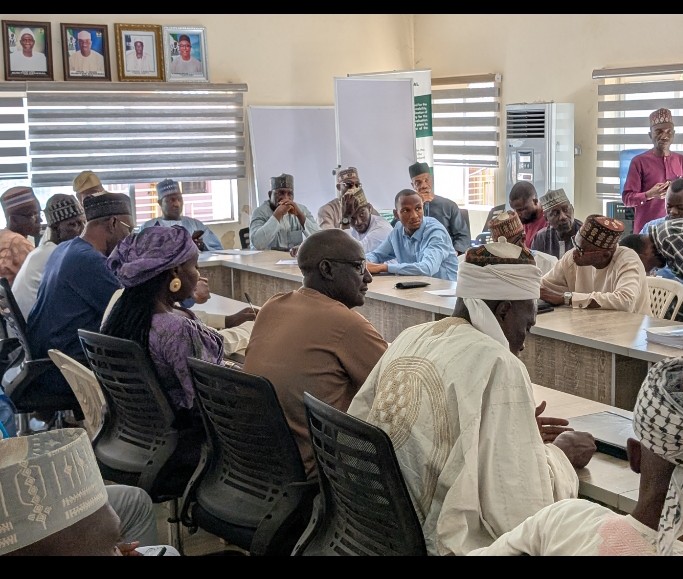
Kaduna State has taken a major step toward strengthening transparency and public accountability with the formal dissemination of its Citizens’ Participatory Audit (CPA) Framework, a first-of-its-kind initiative designed to institutionalise citizen involvement in the public audit process.
Speaking at the event, the Chairman, Public Accounts Committee of the Kaduna State House of Assembly, Yusuf Mugu, said the framework aligns with the legislature’s oversight mandate and the broader governance agenda of the state, stressing that accountability must translate into tangible benefits for citizens.
Mugu emphasised that information dissemination must go hand in hand with verification, warning against the spread of unverified reports.
According to him, participatory audit processes would only succeed if citizens and stakeholders prioritise accuracy, transparency and collective responsibility.
He noted that the CPA initiative is a development-driven exercise that reinforces legislative oversight, particularly in tracking ongoing and abandoned projects across the state, adding that effective collaboration among stakeholders would result in credible audit reports and improved project quality.
In his remarks, the Auditor-General of Kaduna State, Abubakar Abdullahi described the CPA Framework as a landmark reform, noting that Kaduna is poised to become the first state in Nigeria to fully implement such a model.
He explained that the CPA Framework was developed to ensure that audit reports do not remain mere documents but reach the grassroots, where citizens can understand, engage with, and act on audit findings.
The Auditor-General further highlighted the strategic partnership between audit institutions and civil society organisations (CSOs), describing it as a “mutual marriage” that bridges the gap between government processes and the people.
According to him, CSOs play a critical role in amplifying audit outcomes and ensuring that citizens are informed about government spending and service delivery, thereby easing the responsibilities of audit institutions.
Earlier in his remarks, the CSO Co-Chair on Strengthening Participatory Budget Performance under the Open Government Partnership (OGP) Kaduna State Action Plan III, Luke Seth Kuyet, said the framework would deepen collaborative governance and promote inclusive oversight.
Kuyet explained that the CPA Framework was jointly driven by the Office of the Auditor-General and the OGP Technical Working Group to formally integrate citizens, CSOs and development partners into the public financial management audit cycle.
He outlined the objectives of the dissemination, which include raising awareness about the CPA Framework, officially presenting it to the public, and identifying areas of collaboration among ministries, departments and agencies (MDAs), development partners and civil society groups.
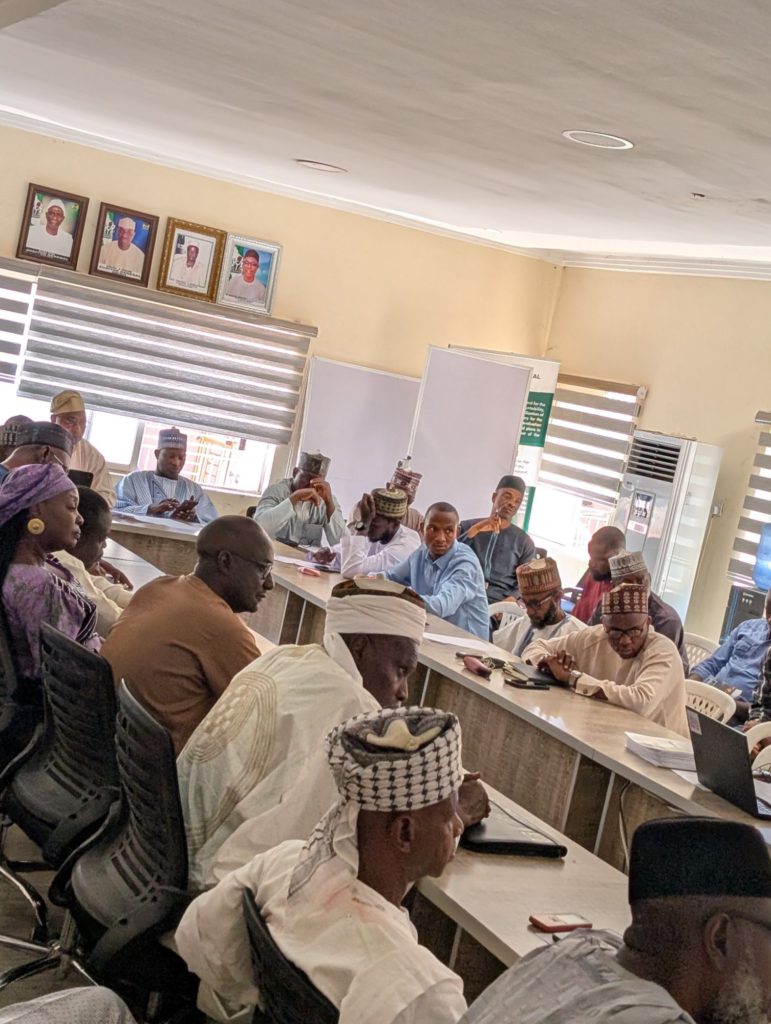
Stakeholders at the event expressed optimism that the framework would strengthen accountability, improve public service delivery and set a national benchmark for citizen-led audit reforms, positioning Kaduna State as a model for participatory governance in Nigeria.