BY STELLA KABRUK
Zaria
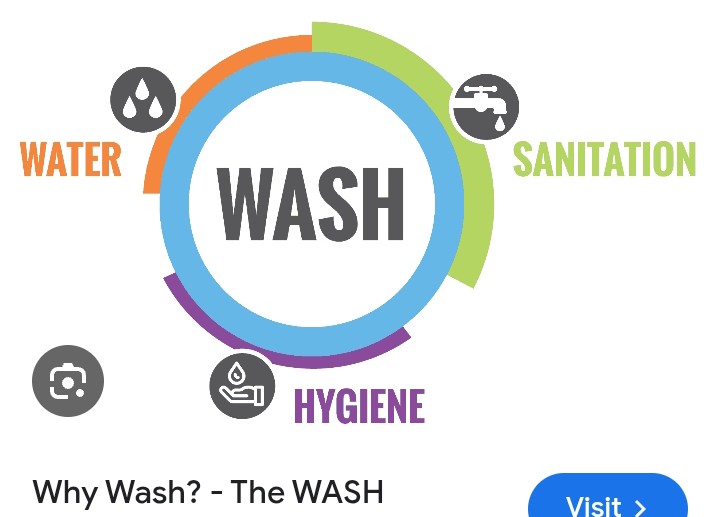
Kaduna State Government has commenced a three-day training programme aimed at strengthening sustainable Water, Sanitation and Hygiene (WASH) service delivery across the state.
The capacity-building workshop, held in Zaria, was organised by the Kaduna State Ministry of Public Works and Infrastructure in collaboration with Amorah Hydrogen Links Ltd and the Sustainable Urban and Rural Water Supply, Sanitation and Hygiene (SURWASH) Programme.
Speaking at the opening of the training on Tuesday, the Commissioner for Public Works and Infrastructure, Ibrahim Hamza, said the initiative was designed to position the state for effective implementation of the SURWASH programme.
Hamza, who was represented by the Director of Water Supply in the ministry, Usman Ibrahim, said the programme would equip participants with the knowledge and practical skills required to implement WASH initiatives in both urban and rural communities.
According to him, the training will promote best practices in operations, monitoring and sustainability of water and sanitation infrastructure.
He added that the ministry remains committed to strengthening institutional capacity, improving coordination mechanisms and enhancing partnerships to boost public health outcomes and the overall quality of life of residents.
Hamza noted that the programme would also deepen participants’ understanding of the critical link between water supply, sanitation, hygiene and public health.
He said the training would cover key areas including climate-resilient water safety planning, WASH in emergency situations, gender inclusion, financing and transparency in service delivery.
The commissioner further disclosed that Kaduna State is among the first seven states selected to participate in the SURWASH programme, urging participants to take advantage of the training to improve implementation and service delivery across communities.
Also speaking, a resource person on project coordination, Hassan Ahmed, emphasised the importance of clearly defining roles and responsibilities in project execution.
Ahmed explained that the use of the RACI matrix Responsible, Accountable, Consulted and Informed, was critical for effective coordination and successful implementation of development projects.
In his presentation on Public-Private Partnerships (PPP) in WASH delivery, Sani Dauda Ahmed described the approach as a strategic model that leverages private sector expertise and investment to complement government efforts in expanding water and sanitation services.
He stressed the need for transparency, accountability and strong regulatory frameworks to ensure sustainability of such partnerships.
Participants at the training expressed commitment to applying the knowledge gained to advance sustainable WASH services and improve water and sanitation delivery in Kaduna State.