BY JULIET EKWENUGO, Kaduna
Journalists have been urged to prioritise accuracy, verification, fairness and conflict-sensitive reporting in their coverage of the 2027 general elections to promote credible information and peaceful democratic participation.
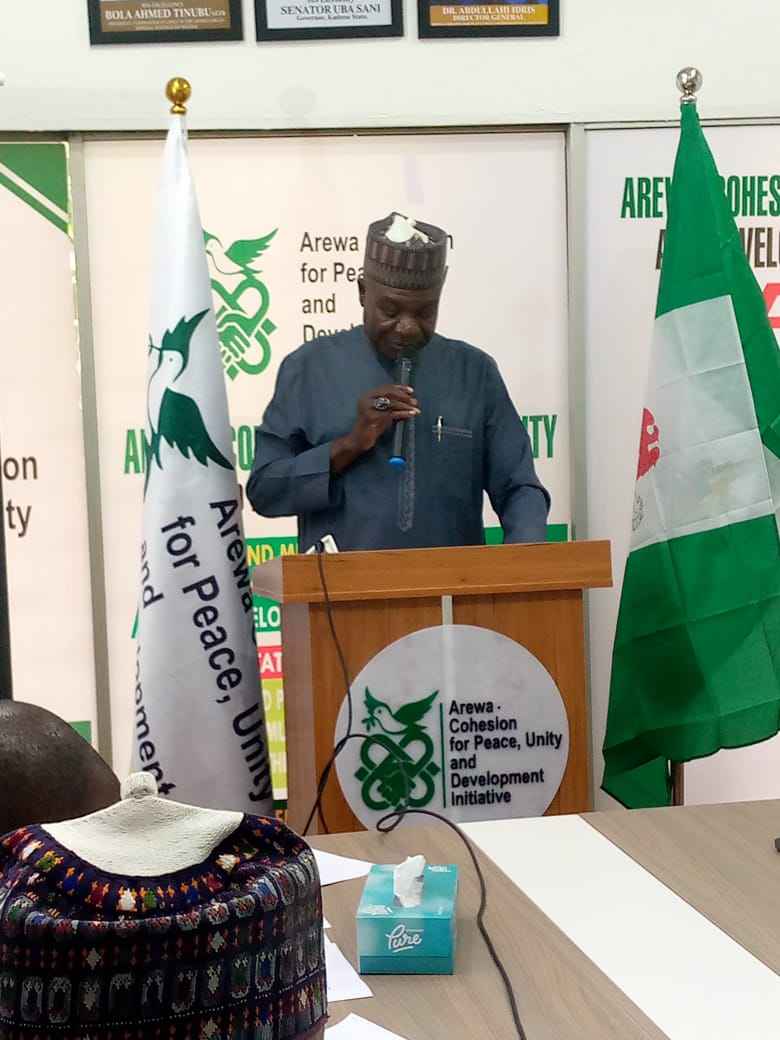
The Director-General of the Arewa Cohesion for Peace, Unity and Development Initiative (ACI), Dr Abdullahi Idris, made the call on Wednesday at a one-day workshop on “Fair, Objective and Conflict-Sensitive Election Reporting: Strengthening Journalism for Credible Nigerian Elections,” organised by the organisation in Kaduna.
Idris said responsible journalism was critical to ensuring that citizens received reliable information and participated meaningfully in the democratic process.
He said journalists had a responsibility to distinguish verified facts from allegations, legitimate criticism from inflammatory rhetoric and genuine information from manipulated content.
According to him, although the media was not responsible for conducting elections, it played an important role in shaping how citizens understood electoral developments, particularly during periods of tension.
Idris said conflict-sensitive journalism did not require journalists to avoid difficult truths, but demanded that they report facts responsibly without unnecessarily amplifying inflammatory, divisive or unverified claims.
He also warned that the digital environment had made verification more important, as old photographs, manipulated videos and false claims could be created and circulated rapidly.
“Being first is not more important than being right,” he said, urging journalists to pause, verify information and establish the facts before publication.
Speaking on fairness, balance, impartiality and objectivity in election reporting, Garba Muhammed said journalists should give candidates, political parties and other stakeholders equitable treatment while providing a reasonable right of reply to serious allegations.
Muhammed said fairness also required journalists to report facts without deliberately favouring or disadvantaging any contestant and to avoid discriminatory, inflammatory or prejudicial reporting.
He said balance required the media to present relevant and credible perspectives on contested issues and give appropriate space to competing viewpoints.
However, Muhammed cautioned that balance did not mean giving equal weight to truth and falsehood, urging journalists to avoid false balance where available evidence clearly establishes the facts.
On impartiality, he urged journalists to remain independent of political parties and candidates and apply the same journalistic standards to all political actors.
Muhammed also advised journalists to separate facts, analysis, opinion and speculation, stressing that personal, political or commercial interests should not influence election coverage.
He said objectivity required journalists to report verified information without allowing personal views or preferences to influence their stories.
“Separate what you know from what you think you know,” Muhammed told participants, urging them to clearly identify information that remained unverified.
He said evidence, verification and professional judgment should guide election reporting.
Also speaking, Elder Joseph Edegbo JP said the media had a responsibility to serve the public interest by providing voters with truthful and verified information to enable them make independent democratic choices.
Edegbo urged journalists to maintain professional distance from political actors and guard against political capture, which he described as a situation where governments, politicians or powerful groups influence what reporters write.
He said editorial decisions should be guided by the public interest rather than commercial, personal or political considerations.
Edegbo also called for fair and proportional representation of political candidates, including smaller parties and independent voices, in election coverage.
In his remarks, the Kaduna State Director of the National Orientation Agency (NOA), Danjuma Makama, said the quality of information available to citizens was central to public trust in the electoral process.
Makama said the media could either strengthen democracy and peaceful participation or deepen mistrust, division and conflict, depending on how electoral events were reported.
He urged journalists to verify information before publication, seek balance, separate facts from opinions, challenge disinformation without unnecessarily amplifying it and avoid language that stereotypes, stigmatises or provokes communities.
The workshop also addressed electoral law, fact-checking and digital verification, conflict-sensitive reporting, hate speech, election-day incidents, results and electoral disputes.
Idris said the workshop was organised as part of ACI’s mandate to promote cohesion, peace, good governance, citizen participation, public enlightenment, accountability, dialogue and peaceful coexistence.
He said the initiative was not intended to influence journalists’ political positions or editorial decisions, but to strengthen professional standards that would enable citizens to receive reliable information and participate peacefully in democracy.