BY JULIET EKWENUGO
Kaduna
A non-governmental organisation, Gender Awareness Trust (GAT), has raised concern over what it described as a growing culture of silence and harmful practices within churches that fuel sexual and gender-based violence (SGBV) in communities.
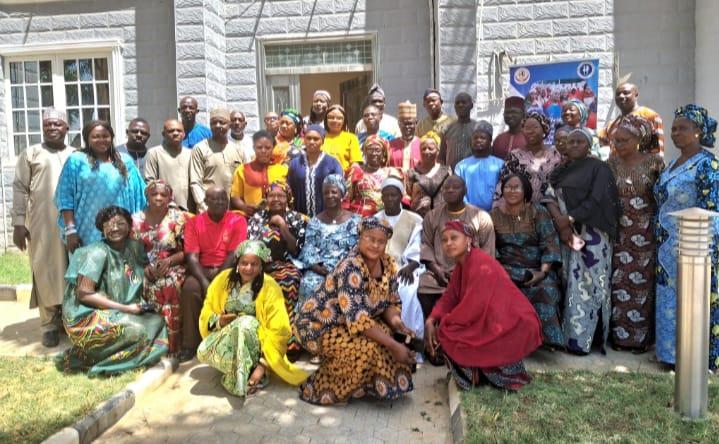
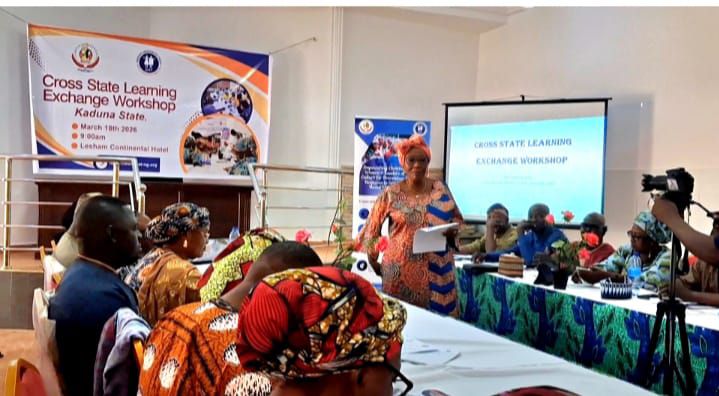
The executive director of GAT, Dr. Lydia Umar, sounded the alarm on Thursday in Kaduna during a cross-state learning exchange workshop involving stakeholders from Kaduna and Katsina states.
The workshop, supported by Women Aid Collective (WACOL), brought together community leaders, faith actors and civil society organisations to review progress and share experiences on interventions against gender-based violence.
Umar said entrenched cultural and religious norms continue to deny women a voice, worsen abuse and limit access to justice, particularly within faith-based settings.
She noted that although women constitute the majority in churches, they are often excluded from decision-making processes, thereby weakening their ability to challenge harmful practices.
According to her, GAT’s intervention, currently ongoing in four local government areas across Kaduna and Katsina States, focuses on empowering Christian women and female community leaders to identify and confront such practices.
She lamented that cases of abuse are frequently mishandled within religious environments, where victims are advised to endure violence or rely solely on prayers instead of seeking justice.
“Many women who report abuse are told to be patient or pray harder, which shifts responsibility to victims rather than addressing perpetrators,” she said.
Umar also decried cultural practices such as denial of inheritance to women and harmful widowhood rites, noting that they continue to impoverish and marginalise widows.
She called for stronger enforcement of legal frameworks, including the Violence Against Persons Prohibition (VAPP) Law and the domesticated United Nations Resolution 1325 on Women, Peace and Security.
Participants at the workshop described the initiative as timely, urging sustained collaboration among government, religious institutions and civil society to tackle SGBV and encourage victims to speak out.