By JULIET EKWENUGO
Kaduna
Kaduna State Government has validated two key policy documents aimed at strengthening inclusive education and equipping students with practical skills for lifelong development.
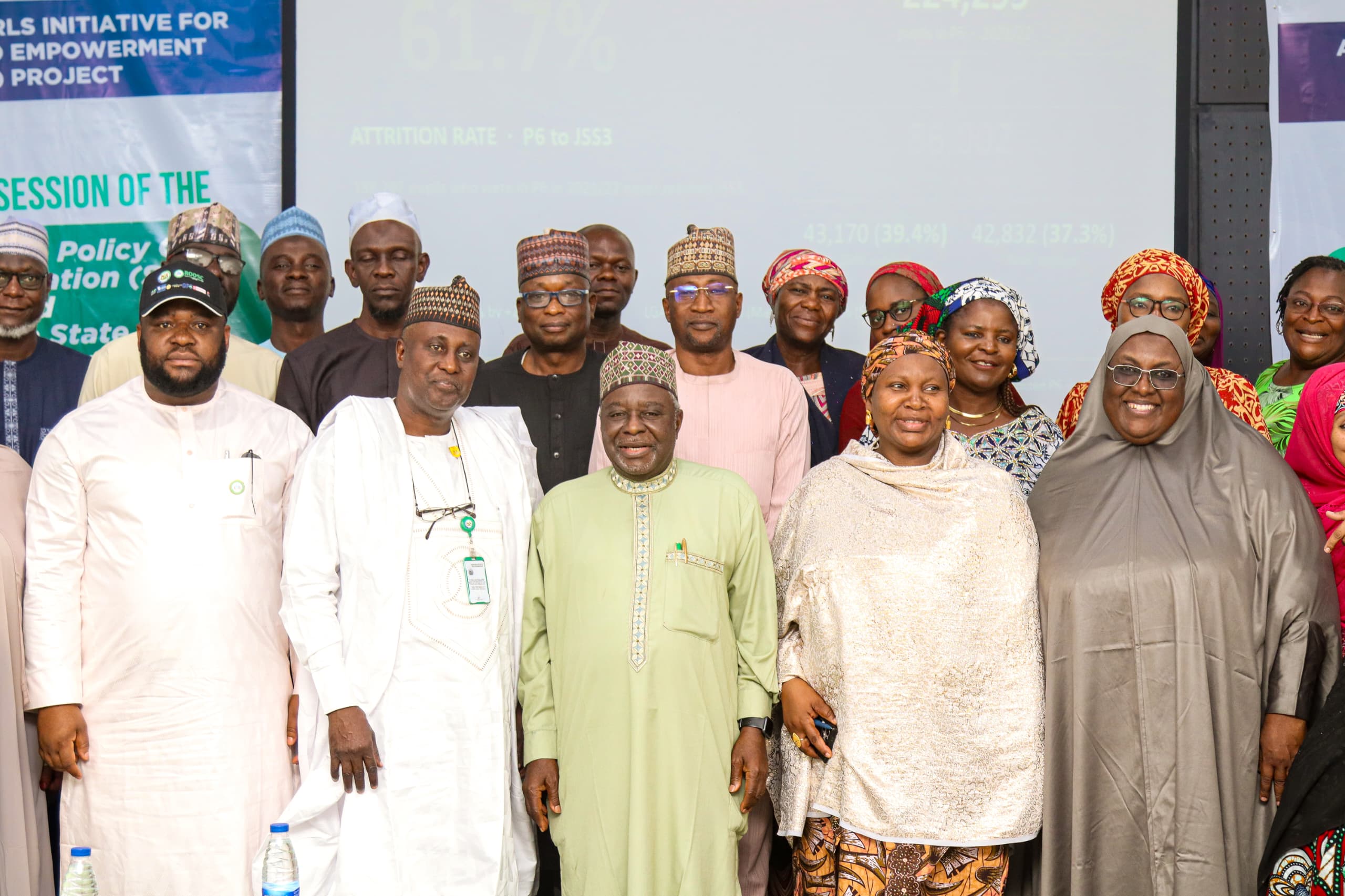
The policies, the Gender Policy and the Life Skills Policy, were validated at a stakeholders’ workshop attended by government officials, development partners and civil society organisations in the state.
Speaking at the event, the permanent secretary, Ministry of Internal Security and Home Affairs, Mallam Bashir Muhammad, explained that the Gender Policy aims to foster inclusivity in the education sector by embedding gender mainstreaming principles across all levels.
Muhammad noted that although several partners have supported the education sector in Kaduna State, their interventions have largely remained fragmented, underscoring the need for a unified framework fully owned and driven by the state government.
He said the Life Skills Policy seeks to reform the education curriculum by integrating entrepreneurial and practical skills that will prepare learners for self reliance.
According to him, the State has developed a robust implementation framework, backed by institutional arrangements and budgetary provisions, to ensure effective execution of the policies.
He added that the policies would be integrated into the State’s Sector Implementation Plan and Development Plan to ensure continuity across successive administrations.
On implementation structure, the permanent secretary disclosed that a steering committee, to be chaired by the Commissioner for Education, would oversee the process, supported by technical working groups and local government coordinators.
Also speaking, the director of Planning at the Ministry of Education, Salisu Baba Lawal, said the policies set clear goals and include mechanisms to monitor progress and ensure effective implementation.
Lawal added that periodic reviews would be conducted to assess progress and refine strategies, particularly for vulnerable groups, including persons with disabilities.
In her remarks, executive director, Centre for Girls’ Education, Habiba Mohammed, said educating girls and equipping them with life skills would significantly reduce child marriage, early pregnancy and gender based violence.
Similarly, the project coordinator, Adolescent Girls Initiative for Learning and Empowerment (AGILE) in Kaduna State, Hajia Maryam Dangaji, explained that the policies would ensure that girls are not only enrolled but retained and supported to complete their education.
Also, project coordinator, Reaching Out of School Children initiative, Ezra Angai, said the policies provide a clear roadmap for addressing challenges affecting adolescent girls’ education.
He noted that the framework would guide stakeholders in improving enrolment, retention, transition and post school opportunities across the State.