By Sa’idu Idris Dibis (Coach)
Kaduna
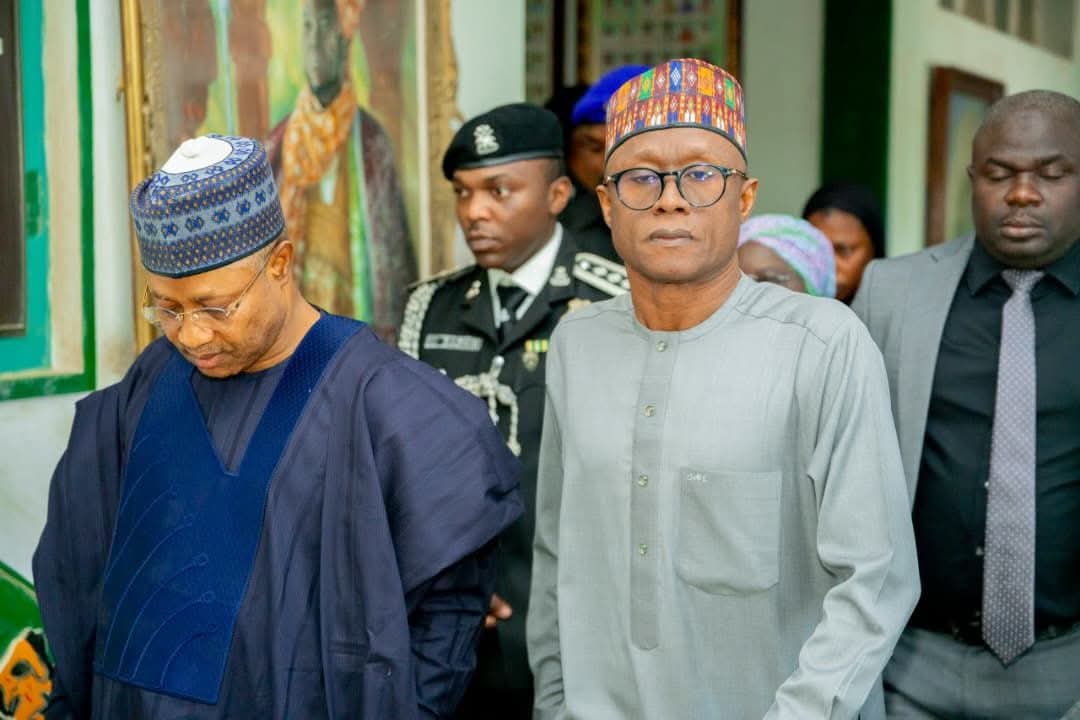
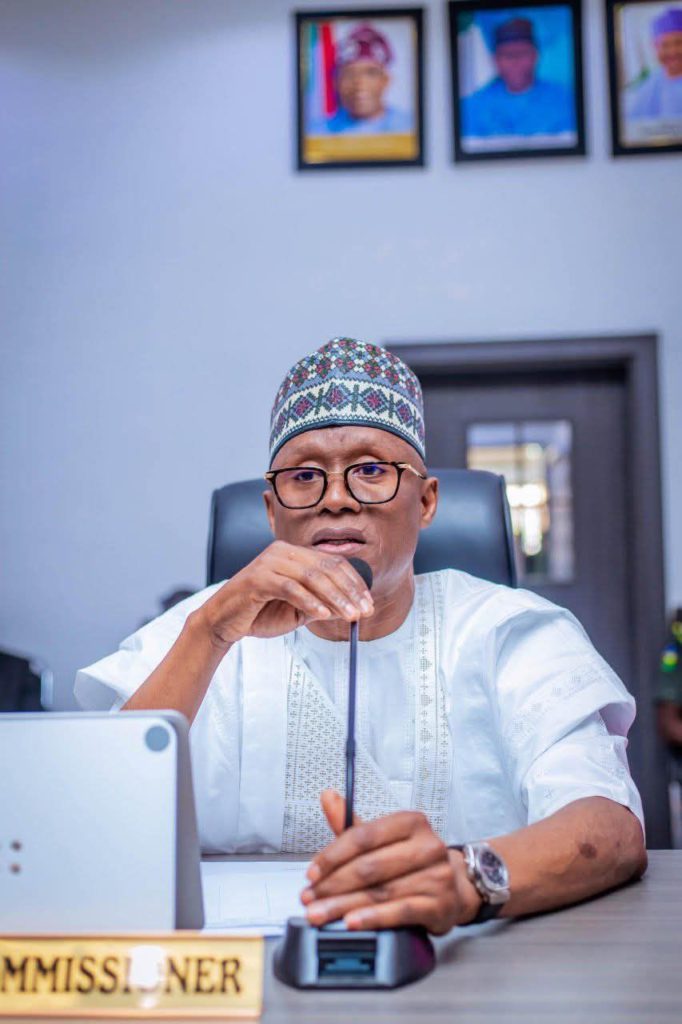
The strategic importance of local government administration in a federal system cannot be overstated. It remains the foundation upon which grassroots governance and community development are built. In Kaduna State, that crucial responsibility rests on the shoulders of the Commissioner for Local Government and Chieftaincy Affairs, Hon. Sadiq Mamman Lagos, under the administration of Governor Uba Sani.
Since his appointment, Hon. Mamman Lagos has emerged as one of the key drivers of the administration’s reform agenda, bringing innovation, transparency and strategic leadership into the management of Kaduna State’s 23 Local Government Areas (LGAs). His assignment aligns with Governor Uba Sani’s vision of strengthening democratic governance at the grassroots through the SUSTAIN Agenda, which prioritises rural development, inclusion, community engagement and the revitalisation of traditional institutions.
As Commissioner, his responsibilities include coordinating local government budgets, supervising infrastructure projects and addressing critical community concerns such as insecurity, healthcare delivery and access to basic social services.
Widely regarded as intelligent, disciplined and result-oriented, Hon. Mamman Lagos has continued to justify the confidence reposed in him by the governor through a series of reforms and policy initiatives that have transformed the ministry into a more proactive and development-driven institution.
Financial Reforms And Accountability
One of the major areas where the commissioner has made a significant impact is in financial management and accountability within the local government system.
As Chairman of the Technical Committee of the Joint Account Allocation Committee (JAAC), Hon. Mamman Lagos introduced stricter measures aimed at ensuring transparency in the distribution and utilisation of funds across the 23 LGAs.
Among the reforms introduced are monthly JAAC meetings involving local government chairmen, finance officials and agencies such as the Kaduna State Internal Revenue Service (KADIRS) to review budgets and monitor project implementation.
The ministry also adopted direct project funding mechanisms, with the approval of all 23 local government chairmen, allowing 60 per cent of local government allocations to be channelled directly into critical projects such as primary healthcare centres, schools and rural infrastructure. This approach has significantly reduced bureaucratic delays and improved project execution.
In addition, the ministry strengthened collaboration with the Office of the Auditor-General for Local Governments to conduct quarterly expenditure reviews, leading to a reduction in financial leakages and improved fiscal discipline.
Strengthening Local Governance
Hon. Mamman Lagos has also focused on empowering local governments to function more effectively and independently.
Under his leadership, capacity-building programmes were introduced for local government chairmen and administrative staff to improve their understanding of modern governance practices, including digital project management and participatory budgeting.
The ministry equally promoted the adoption of Community Development Charters (CDC), enabling communities to identify and prioritise projects based on their immediate needs. Through this initiative, over 200 community-based projects were executed in 2024, while another 250 projects are ongoing in 2025, including the construction of boreholes, rural roads and other essential infrastructure.
To encourage excellence in service delivery, the ministry introduced performance-based incentives and annual awards for high-performing local governments. Zaria Local Government Area, for instance, received recognition for completing 15 CDC projects ahead of schedule.
Modernising Chieftaincy Affairs
Beyond local government administration, the commissioner has also initiated reforms aimed at modernising traditional institutions and strengthening their role in peacebuilding and community development.
Part of these efforts includes the establishment of mediation committees to resolve chieftaincy disputes in communities such as Kajuru and Sanga, thereby reducing tensions and promoting stability.
The ministry also commenced the digitisation of records relating to royal lineages and chieftaincy titles in order to prevent fraudulent claims and preserve historical accuracy.
Security And Rural Development
Recognising insecurity as a major obstacle to development, Hon. Mamman Lagos has worked closely with security agencies and the Kaduna State Security Council to support community-based security initiatives.
These collaborations have facilitated the deployment of vigilante groups and surveillance structures in vulnerable local government areas such as Birnin Gwari and Giwa.
The ministry also integrated development projects into security strategies by supporting the construction of roads and installation of solar-powered streetlights in rural communities affected by insecurity.
Technology-Driven Governance
In line with modern governance trends, the ministry has embraced technology to improve efficiency and accountability.
Hon. Mamman Lagos introduced electronic monitoring platforms that allow citizens to track ongoing projects and report issues directly to relevant authorities.
The ministry also deployed Geographic Information System (GIS) mapping tools to identify underserved communities and ensure equitable distribution of resources. This initiative reportedly contributed to the establishment of 10 new clinics in over 50 remote communities previously lacking access to healthcare facilities.
Citizen Engagement And Transparency
To deepen public participation and rebuild trust in governance, the commissioner championed policies promoting transparency and citizen engagement.
Local governments were encouraged to domesticate the Freedom of Information (FOI) framework by publishing budgets and project updates on public platforms.
The ministry also institutionalised quarterly town hall meetings across the state, creating opportunities for residents to interact directly with local government chairmen and ministry officials. Between 2024 and 2025, more than 5,000 residents reportedly participated in these engagements, with a large percentage of grievances resolved within a short period.
Expanding Partnerships For Development
Despite ongoing challenges such as insecurity, funding limitations and bureaucratic bottlenecks, Hon. Mamman Lagos has continued to pursue collaborative approaches to governance.
The ministry strengthened partnerships with key ministries and agencies, including those responsible for environment, health and sports, as well as organisations such as KADPHCA and SUBEB. It also expanded collaborations with non-governmental organisations and development partners to support rural development initiatives.
Efforts have equally been intensified to improve agricultural support programmes in communities such as Kachia and Ikara, while advocacy for greater constitutional autonomy for local governments remains ongoing.
National Recognition
In recognition of his leadership and contributions to local government administration, Hon. Mamman Lagos was unanimously endorsed as Chairman of the Forum of Commissioners for Local Government Affairs in the 36 states of the federation.
His emergence followed the exit of former Kano State Deputy Governor and former Commissioner for Local Government Affairs, Hon. Aminu Abdulsalam Gwarzo, after a cabinet reshuffle in Kano State.
Under his watch, the Ministry for Local Government and Chieftaincy Affairs also flagged off the distribution of essential drugs and medical equipment to 255 primary healthcare centres across Kaduna State’s 23 local government areas.
Conclusion
Hon. Sadiq Mamman Lagos has continued to distinguish himself through reforms centred on transparency, technology, accountability and citizen participation.
By integrating traditional institutions into modern governance systems and promoting inclusive development at the grassroots, he has repositioned the Ministry for Local Government and Chieftaincy Affairs as a critical driver of development in Kaduna State.
Known for simplifying complex governance challenges with calmness and humour, he has demonstrated that effective leadership is achievable through commitment, innovation and sincerity of purpose.
Indeed, constructive support and encouragement, rather than unfounded criticism, remain essential for leaders striving to deliver meaningful reforms and development to the people.
Dibis is Special Assistant on Sports Matters to Governor Uba Sani.