BY JULIET EKWENUGO, Kaduna
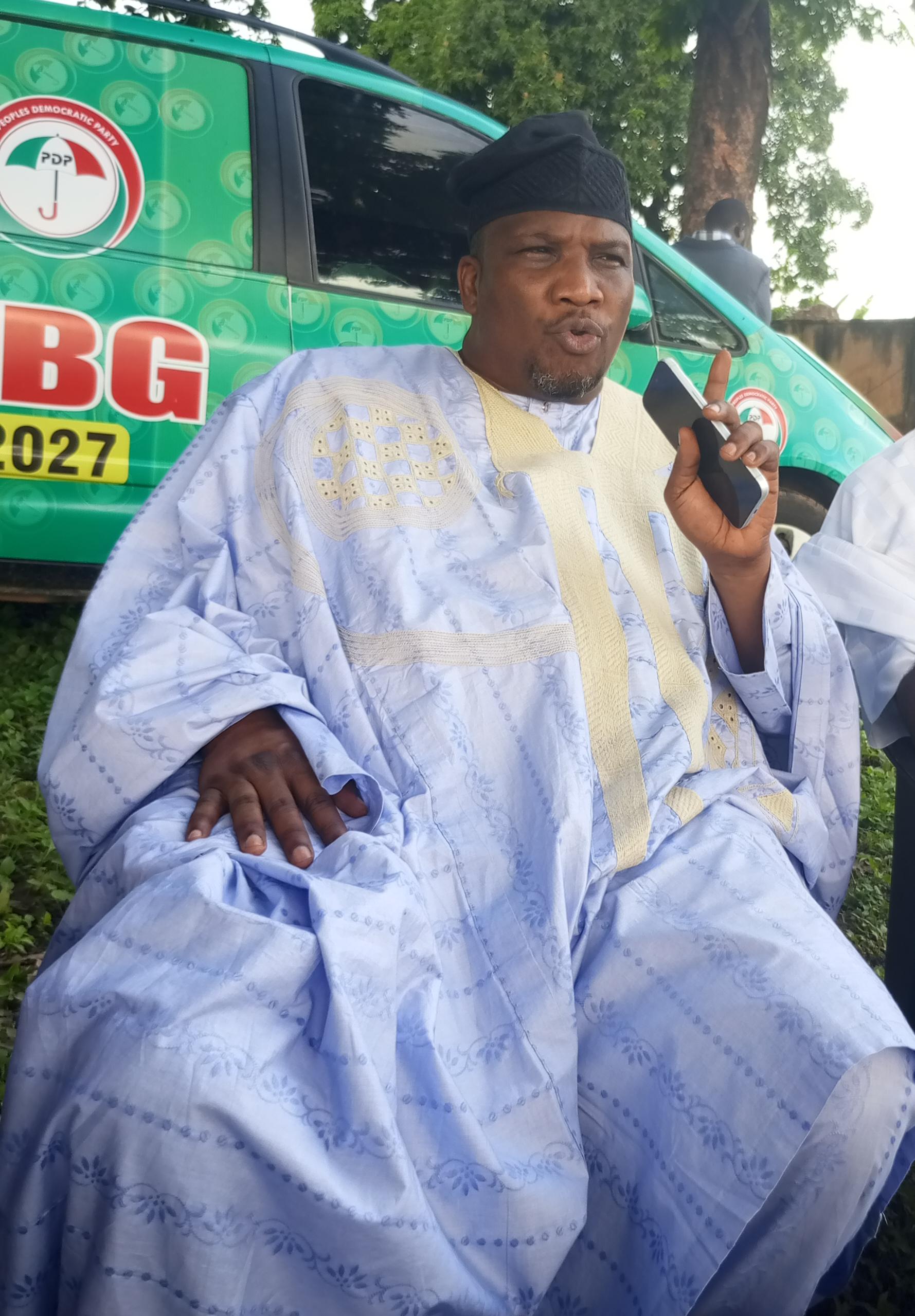
The Peoples Democratic Party (PDP) governorship candidate in Kaduna State, Hon. Usman Shehu Bawa (ABG), has promised to recruit more teachers and expand classrooms to address shortages and improve access to quality education in the state.
Bawa, in his education policy proposal under the P.E.O.P.L.E Agenda, also promised to strengthen technical and vocational education, improve school infrastructure and ensure greater accountability in the management of education funds.
The candidate identified teacher shortages, overcrowded classrooms, inadequate facilities and declining pupil retention as major challenges facing basic and post-basic education in the state.
To address these challenges, he proposed needs-based teacher recruitment, equitable deployment and continuous professional development to improve teaching quality and learning outcomes.
He also pledged to provide incentives for teachers posted to underserved communities and strengthen teacher training and supervision.
On infrastructure, Bawa promised targeted construction, rehabilitation and maintenance of school facilities, including classrooms, desks, toilets, safe water supplies and disability-friendly amenities.
He said public primary schools have an average of 113 pupils per usable classroom, while 55 per cent reportedly lack access to safe water.
He further pledged to distribute education investments fairly across the state’s 23 local government areas, prioritising underserved communities.
He said his administration would work with families and communities to identify children at risk of dropping out, remove barriers to school attendance and improve transitions between educational levels.
He added that the proposed measures would promote equitable access to education for girls, boys, children with disabilities and learners in vulnerable communities.
On technical and vocational education, the PDP candidate pledged to strengthen existing institutions, recruit instructors, equip workshops and partner with industries, technology hubs and businesses to provide young people with market-relevant skills.
Bawa also promised to expand alternative and non-formal education, including appropriate support for Integrated Quranic Schools and out-of-school youths.
On accountability, he said his administration would strengthen School-Based Management Committees, Parent-Teacher Associations and School Development Plans to improve community participation and monitor school performance.
He added that the government would work with local governments to address barriers to education in remote communities and publish progress reports to enable residents to assess its performance.
Bawa said the proposed reforms would be measured by improvements in teacher availability, classroom conditions, literacy, school completion, technical skills and equitable access to education.
He described education as an investment in human capital, security and shared prosperity, pledging to expand opportunities for children and young people across the State.