BY JULIET EKWENUGO, Kaduna
The Arewa Think Tank has backed the Independent National Electoral Commission (INEC) Chairman, Prof. Joash Amupitan, SAN, over the commission’s preparations for the 2027 general elections, urging political actors to support measures aimed at strengthening the credibility of the polls.
The group said INEC’s plan to audit its electoral technology infrastructure and consider conducting a mock presidential election was a proactive step towards identifying and addressing possible weaknesses ahead of the elections.
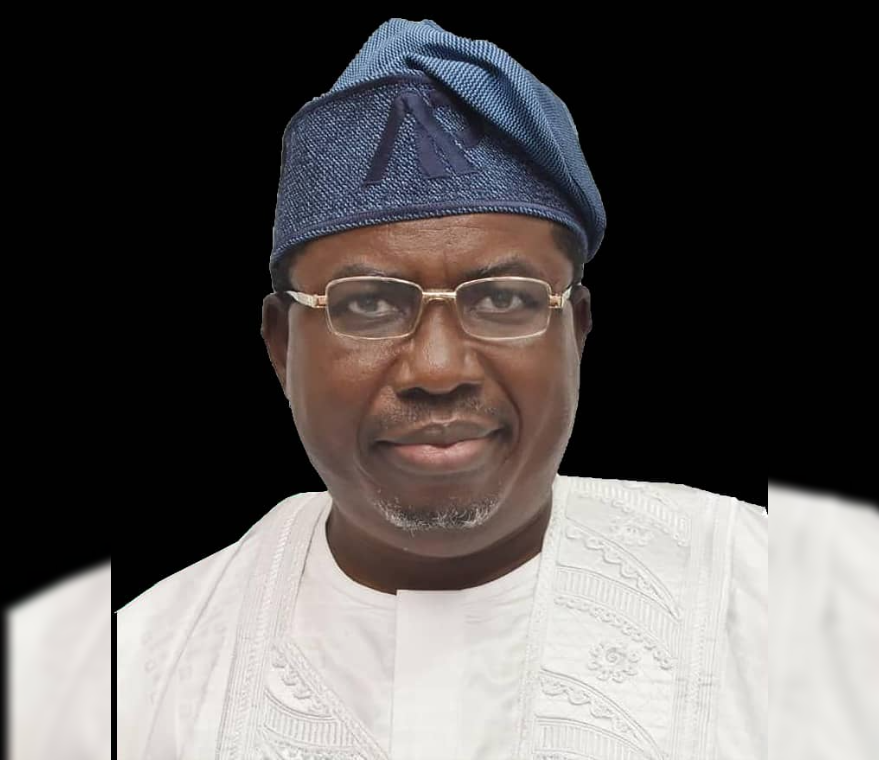
Convener of the group, Muhammad Alhaji Yakubu, said this while reacting to concerns raised by the INEC chairman over the growing threat of artificial intelligence (AI)-generated disinformation, vulnerabilities in electoral technology and the need to boost public confidence in the electoral process.
Yakubu said Nigerians and political stakeholders genuinely interested in the survival of democracy should support initiatives aimed at identifying weaknesses in the electoral system before election day.
He said the proposed technology audit, penetration testing, disaster-recovery measures and possible mock presidential election demonstrated that the commission was taking lessons from previous elections seriously.
According to him, political actors should focus their energy on preparing for the elections rather than creating an atmosphere of distrust around the electoral process.
“Those who are not prepared for the election should not derail the election. They should allow those who are prepared for the election to participate in the elections,” he said.
The Arewa Think Tank convener particularly cautioned opposition politicians and other political actors against actions or statements capable of weakening public confidence in INEC ahead of the 2027 polls.
He acknowledged that disagreement with the commission was legitimate in a democracy, but argued that attempts to discredit electoral institutions without offering constructive alternatives could ultimately harm the democratic process.
Yakubu maintained that the credibility of the 2027 elections should be built through stronger institutions, transparent procedures, effective communication and constructive engagement among political parties, civil society organisations, the media and electoral authorities.
He also welcomed INEC’s concerns over the increasing use of AI to produce fake audio, videos and images, describing the development as a serious challenge that required collective action.
According to him, political parties and their supporters should resist the temptation to deploy fabricated content against opponents, warning that misinformation could heighten tensions and deepen public distrust.
He said the speed at which AI-generated content could spread on social media made it particularly important for INEC, the media, technology platforms and fact-checkers to develop rapid mechanisms for identifying and countering false information.
Yakubu further urged the commission to communicate openly about its technological systems, including vulnerabilities identified during testing and the measures being taken to address them.
He argued that transparency would be more effective in building public confidence than allowing rumours and politically motivated narratives to dominate public discourse.
The group also urged political parties intending to participate in the 2027 elections to begin preparations early, organise their supporters and educate them on the electoral process instead of waiting until the eve of the elections before raising concerns.
“The election is not something anybody should try to stop simply because they are not ready. If there are concerns, let those concerns be presented through the appropriate channels. But nobody should hold Nigeria’s democracy hostage because of personal or partisan interests,” Yakubu said.
He commended Amupitan for highlighting the potential dangers associated with AI-generated disinformation and for recognising that technology and electoral communication must be addressed together as part of preparations for the 2027 elections.
Yakubu said the lessons of the 2023 general elections should be used to improve the 2027 electoral process rather than becoming a source of continued political recrimination.
He therefore called on INEC to sustain consultations with political parties, media organisations, technology experts, civil society groups and other stakeholders as preparations for the polls intensify.
The Arewa Think Tank also appealed to Nigerians to scrutinise political information before sharing it, particularly during the election period, noting that fabricated materials could inflame tensions and mislead voters.
Yakubu said the responsibility for protecting the integrity of the 2027 elections rested not only with INEC but with every stakeholder committed to preserving Nigeria’s democracy.
He urged political parties to prepare for the contest, present their programmes to Nigerians and allow voters to make their choices freely at the ballot box.
“Let everybody prepare and participate. Let the people decide. What Nigeria needs is a credible election, not politicians trying to create confusion because they are afraid of the process,” he said.