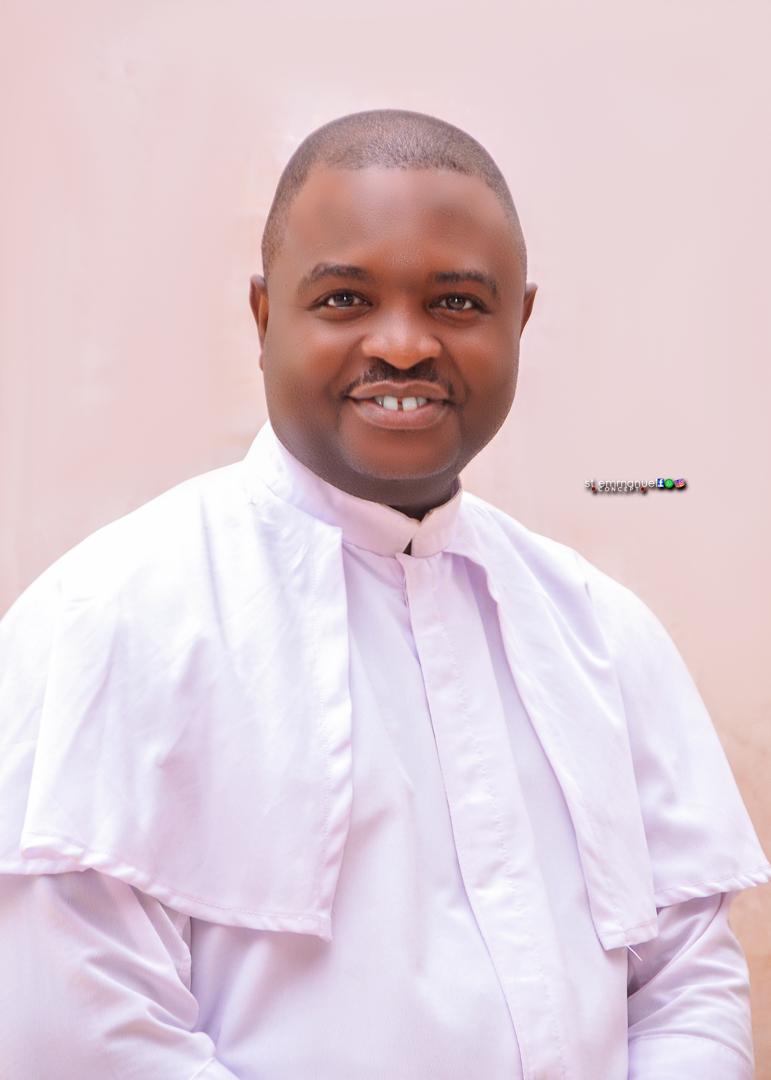
By Fr. Joshua Yima Achir
The deepening crisis confronting Nigeria has compelled this open appeal to Catholics in positions of authority, with the hope that conscience, faith and responsibility will converge at a time the nation stands at a critical crossroads.
From rising insecurity to worsening economic hardship and entrenched corruption, the realities on ground have become too urgent to ignore. Across the country, lives are lost daily, families are thrown into mourning, and communities are gripped by fear. Hunger continues to spread, hope is fading among young people, and public trust in institutions is steadily eroding. These are not distant concerns but human tragedies unfolding in real time.
What confronts the nation today is not merely a political or economic challenge, but a profound moral test. It is a moment that demands more than policy responses; it demands conscience, courage and a return to the values that uphold human dignity and the common good.
A Moral Burden Of Leadership
As Catholics entrusted with public office, your responsibility goes beyond governance; it is a call to witness, to bring the light of faith into the realities of public life. Your positions are not separate from your beliefs; rather, they are a direct expression of them.
Catholic Social Teaching reminds us that every human life is sacred and must be protected. The persistent loss of lives and the inability to guarantee security reflect not just a governance failure but a grave moral crisis. Silence or indifference in the face of such suffering cannot be justified. Every Nigerian life, regardless of status, religion or region, carries equal dignity and worth.
The principle of the common good demands that leadership must serve all, not a privileged few. Governance must create conditions where every citizen can live, grow and thrive. Policies and decisions must be measured by their impact on the most vulnerable, not by political advantage or personal gain. At a time when millions struggle to survive, leadership must be reoriented towards justice, inclusion and human dignity.
Solidarity calls for more than distant concern. It requires leaders to stand with the people, to feel their pain, hear their cries and respond with urgency. True leadership cannot afford to be detached or indifferent while citizens struggle to survive. When leaders become distant, suffering deepens and trust erodes.
The preferential option for the poor further underscores the need to prioritise those most affected by hardship. Hunger, unemployment and displacement are not secondary issues; they are central moral concerns that demand immediate attention. The suffering masses must not remain on the margins of decision-making but at its very centre.
Subsidiarity also demands that governance be close to the people, responsive, accountable and rooted in their realities. When authority becomes too distant from those it serves, it loses both effectiveness and legitimacy.
Security As A Sacred Duty
The protection of human life remains the first responsibility of government. Yet, from rural communities to urban centres, Nigerians continue to live under the threat of terrorism, banditry, kidnapping and communal violence.
Each life lost is more than a statistic; it is a profound violation of human dignity and a blow to the nation’s conscience. Behind every number is a name, a family, and a future cut short. The continued loss of lives represents not only a security challenge but a moral emergency that demands urgent attention.
The persistence of these attacks signals an urgent need for decisive, coordinated and transparent action. Security must not be reduced to political rhetoric or routine statements. It is a sacred duty that requires genuine commitment.
As leaders, you are called to ensure that every Nigerian can live without fear. This requires strengthening institutions, equipping security agencies with integrity and accountability, addressing the root causes of violence, and restoring public confidence in the system. To delay is to endanger more lives; to ignore is to risk complicity.
Economic Hardship And Human Dignity
Nigeria’s economic realities have reached a point where survival itself has become a daily struggle for many. Rising inflation, unemployment and deepening poverty have placed immense pressure on families, stripping many of the dignity that comes with honest living.
This hardship is not merely an economic issue; it is a moral crisis. When families cannot afford basic needs, when young people lose hope, and when honest work no longer guarantees a decent life, the dignity of the human person is under assault.
An economy must serve people, not the other way round. Policies must be designed to create opportunities, ensure fairness and provide social protection for the most vulnerable. Leadership must prioritise job creation, equitable distribution of resources and sustainable development.
The concentration of wealth in the hands of a few, while the majority struggle, raises fundamental moral questions. Economic decisions must reflect equity, justice and a genuine commitment to the wellbeing of all citizens. The true measure of leadership lies not in economic statistics alone, but in whether ordinary Nigerians can live with dignity, hope and a sense of possibility.
Confronting Corruption
Corruption remains one of the most damaging obstacles to Nigeria’s progress. It is not merely a legal issue but a moral failure that robs citizens of basic services, weakens institutions and deepens inequality.
Every act of corruption carries human consequences, denying children access to education, limiting healthcare, weakening infrastructure and perpetuating poverty. It is a betrayal of public trust and a direct assault on the common good.
Combating corruption requires more than public declarations; it demands integrity, transparency and the courage to hold individuals accountable. Public office must never be a platform for personal gain but a trust for service.
As Catholics, you are called to a higher standard. Integrity is not optional; it is essential. To tolerate corruption is to betray the people; to confront it is to serve truth and justice.
A Call To Conscience
Catholic teaching is not abstract theory; it is a call to action, especially for those engaged in public life. The Church teaches that the laity are called to shape the social, political and economic order according to moral principles. Your role in governance is therefore not separate from your faith; it is a direct expression of it.
You cannot profess faith and remain unmoved while people suffer. You cannot participate in sacred worship and ignore the brokenness of the society entrusted to your care. Faith must find expression in action.
This is a defining moment. Speak when silence is easier. Act when the cost is high. Stand firmly where justice demands. On security, act with urgency to protect lives. On the economy, place human dignity above all interests. On corruption, embrace zero tolerance and lead by example.
Choose courage over convenience, truth over silence and service over self-interest. Return to the moral teachings that guide both faith and responsibility, and allow them to shape decisions that affect millions.
History will record this moment. The people will remember the choices made. And ultimately, accountability will extend beyond human judgment.
Nigeria still holds on to hope. It is a hope that must find expression in leadership that is guided by conscience, strengthened by courage and committed to the common good. May that hope not be betrayed.