BY JULIET EKWENUGO
Kaduna
Nigeria has recorded a major milestone in medical innovation with the successful conduct of West Africa’s first robotic-assisted fibroid removal surgery, a development experts say could redefine healthcare delivery in the region.
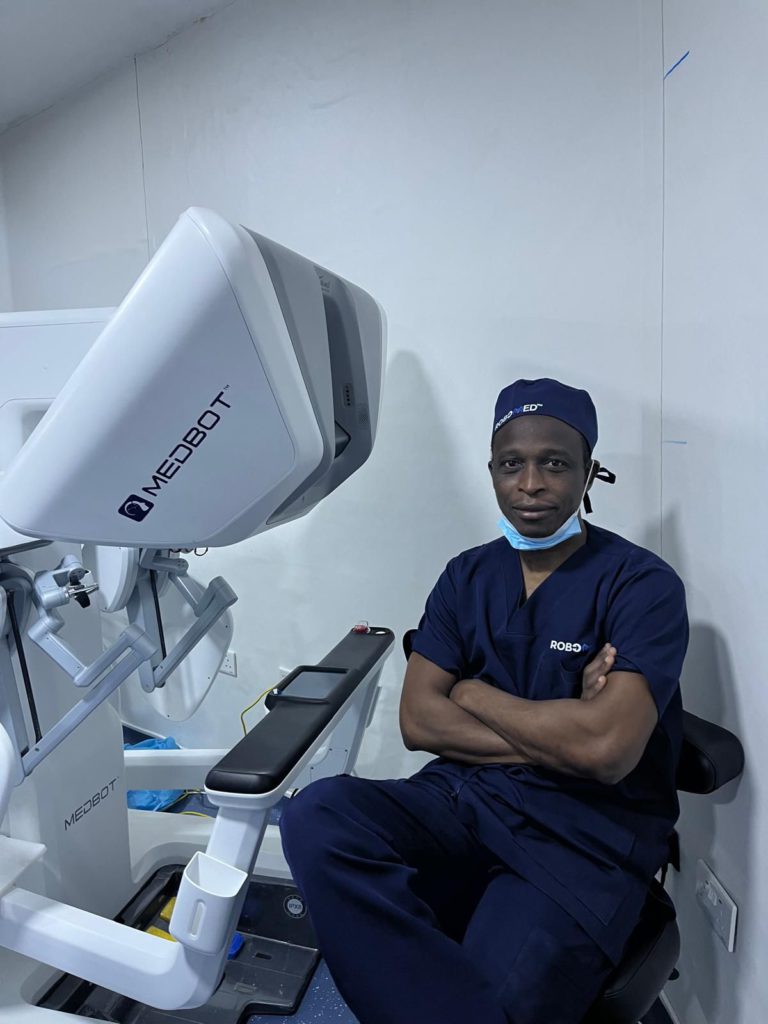
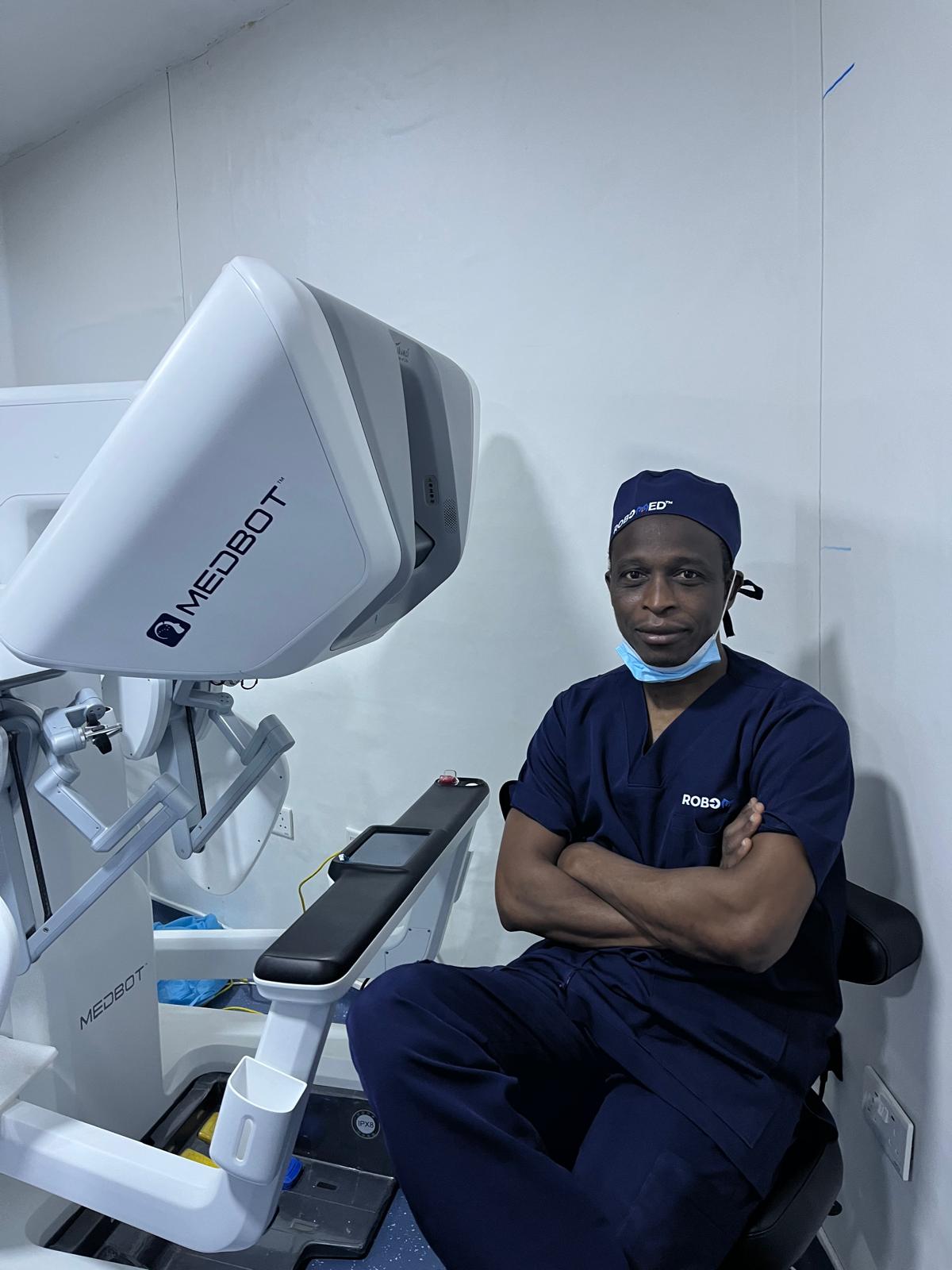
The historic procedure was performed at Nisa Premier Hospital, Abuja, by a team led by a UK-trained gynaecologist, Dr Ahmed Abdullahi, an indigene of Adamawa State.
The surgery utilised the Microport Toumai MT-1000 robotic system, a state-of-the-art technology that enhances precision, control and visualisation during complex surgical procedures.
The patient, a 22-year-old woman diagnosed with uterine fibroids, underwent a robotic-assisted laparoscopic myomectomy.
Dr Abdullahi explained that the use of robotic technology enabled the surgical team to operate through tiny incisions, significantly reducing tissue trauma and post-operative discomfort.
He further explained that the outcome was exceptional, noting that the procedure recorded minimal blood loss and required no blood transfusion.
“The patient recovered quickly and was discharged within hours after the surgery. This represents a significant improvement compared to conventional open procedures,” he said.
He added that the breakthrough was achieved through a collaboration between Nisa Premier Hospital and RoboMed Global, a partnership aimed at promoting technology transfer and strengthening local capacity in robotic surgery.
Management of the hospital said the successful procedure demonstrates Nigeria’s growing capacity to deliver world-class healthcare services, while also reducing the need for citizens to seek medical treatment abroad.
They added that robotic-assisted surgery offers several advantages, including greater precision, enhanced visualisation, reduced complications, shorter hospital stays, minimal bleeding and faster recovery time.
Medical experts further explained that the technology is particularly effective for complex procedures in confined anatomical areas such as the pelvis, where a high level of accuracy is required.
Stakeholders said the development positions Nigeria as a regional leader in robotic-assisted procedures and signals a new era in healthcare delivery across West Africa, driven by innovation, expertise and improved patient outcomes.